Author: interestwiki

  • Interlaken & Jungfraujoch: Your Ultimate Guide to Swiss Alpine Adventures

    Jungfrau


    Interlaken & Jungfrau: Your Ultimate Swiss Adventure Guide! Discover the breathtaking beauty of the Swiss Alps, from the eternal snows of Jungfraujoch to thrilling outdoor activities like paragliding and canyoning. Get ready for an unforgettable journey to the “Top of Europe”!


    Have you ever dreamt of standing on top of the world, surrounded by majestic snow-capped peaks and crisp, clean air? Well, I certainly have! And let me tell you, my recent trip to Interlaken and Jungfrau in Switzerland turned that dream into a stunning reality. It’s not just a place you visit; it’s an experience that truly touches your soul. From the moment I arrived, I was completely captivated by the sheer natural beauty and the vibrant energy of this adventure paradise. 😊

    Why Interlaken & Jungfrau? Unveiling Switzerland’s Crown Jewel 💎

    Interlaken, nestled between Lake Thun and Lake Brienz, is often called the “adventure capital of Switzerland.” And for good reason! It’s your gateway to the magnificent Jungfrau region, home to some of the most iconic landscapes in the Alps. Honestly, the views alone are enough to make you pack your bags right now. But it’s also a place where you can challenge yourself, reconnect with nature, and create memories that will last a lifetime.


    💡 Pro Tip!
    While Interlaken is a year-round destination, consider visiting during the shoulder seasons (April-May or September-October) for fewer crowds and pleasant weather, especially if you’re into hiking!

    Reaching the “Top of Europe”: Jungfraujoch Experience 🏔️

    The highlight of any trip to this region has to be the journey to Jungfraujoch – Top of Europe. It’s a truly extraordinary experience, taking you to Europe’s highest railway station at 3,454 meters (11,332 feet) above sea level. The anticipation builds with every turn of the cogwheel train, and when you finally step out, it’s just pure magic!

    • The Train Journey: The Eiger Express gondola and the historic cogwheel train offer spectacular views. You’ll pass through tunnels carved into the Eiger and Mönch mountains – it’s an engineering marvel, honestly!
    • Sphinx Observatory: Head to the Sphinx Observation Deck for panoramic views of the Aletsch Glacier (the largest glacier in the Alps!) and surrounding peaks. It’s truly humbling.
    • Ice Palace: Wander through a fantastical world carved entirely out of ice. The sculptures are incredible, and it’s surprisingly warm inside!
    • Snow Fun Park: During summer, you can enjoy various snow activities like skiing, snowboarding, and even zip-lining over the glacier!

    I remember feeling a bit light-headed at first because of the altitude, but the sheer grandeur of the place quickly made me forget all about it. Standing there, gazing at the endless white expanse, you truly feel like you’re on top of the world. It’s an absolute must-do!


    Interlaken: The Adventure Hub You’ve Been Dreaming Of 🤸

    Beyond the icy heights of Jungfraujoch, Interlaken itself is a playground for adventure seekers. Seriously, if you’re looking for an adrenaline rush, this is the place to be. I tried paragliding for the first time, and it was the most incredible feeling! Soaring over the lakes and mountains like a bird… just wow!

    Must-Try Activities in Interlaken 📝

    • Paragliding: This is a non-negotiable! The views are unparalleled, and the experience is surprisingly peaceful once you’re up in the air.
    • Canyoning/Rafting: For those who love water adventures, the Lütschine River offers thrilling rafting, and canyoning through waterfalls is an unforgettable experience.
    • Skydiving: If paragliding isn’t enough, jump out of a plane for the ultimate adrenaline fix!
    • Hiking & Biking: Explore countless trails around Lauterbrunnen, Grindelwald, and Mürren. The scenery is simply divine, with cascading waterfalls and lush green valleys.
    • Harder Kulm: Take the funicular up to Harder Kulm, Interlaken’s local mountain, for incredible views over the town and the two lakes. It’s a great spot for sunset photos!

    Honestly, the options are endless. You could spend a week here and still not try everything! Just be sure to book your activities in advance, especially during peak season.

     

    paragliding

    Where to Stay & What to Eat: My Recommendations 🍽️🏨

    Finding the right place to stay and eat can really make a difference. Interlaken offers a range of accommodations, from cozy guesthouses to luxury hotels. I opted for a charming hotel near the West Station, which was perfect for accessing both sides of the town and all the activities.

    Category Recommendation Notes
    Accommodation Youth Hostels Interlaken / Hotel Victoria Jungfrau Budget-friendly to luxury options. Book well in advance!
    Local Cuisine Cheese fondue, Raclette, Rösti, Swiss chocolate Don’t leave without trying authentic Swiss cheese fondue!
    Restaurants Restaurant Ox, Hooters, Pizpaz Diverse options for various tastes and budgets.

    The Swiss food scene is also something to look forward to. I mean, who can resist a good cheese fondue after a day of hiking? And the chocolate… oh, the chocolate! 🍫


    Planning Your Trip: Essential Tips for a Smooth Journey ✈️

    Traveling to Switzerland can seem a bit daunting with all the planning involved, but it’s totally worth it. Here are a few things I learned that might help you out:

    • Swiss Travel Pass: If you plan on doing a lot of train travel and visiting various attractions, this pass can save you a lot of money and hassle. It covers trains, buses, boats, and even some mountain railways.
    • Dress in Layers: The weather in the Alps can change rapidly, even in summer. Always pack layers, waterproofs, and sturdy walking shoes.
    • Altitude Sickness: At Jungfraujoch’s height, some people might experience mild altitude sickness. Take it easy, hydrate, and listen to your body.
    • Currency: Switzerland uses Swiss Francs (CHF). While cards are widely accepted, having some cash for smaller purchases is always a good idea.
    • Book Early: Especially for Jungfraujoch tickets and popular activities like paragliding, booking in advance online is highly recommended to secure your spot and often get better prices.


    hiking

    Key Takeaways from My Swiss Adventure 📝

    My journey to Interlaken and Jungfrau was nothing short of spectacular. It truly offers a unique blend of serene natural beauty and thrilling adventure. Here’s what I took away from it:

    1. Embrace the Outdoors: Switzerland is meant to be explored outside. Whether it’s a gentle hike or an extreme sport, just get out there!
    2. Jungfraujoch is a Must: Despite the cost, the “Top of Europe” is an unparalleled experience that you won’t regret.
    3. Plan Ahead: A little preparation goes a long way in making your trip smoother and more enjoyable, especially regarding passes and bookings.
    4. Savor Every Moment: From the stunning views to the delicious food and the kind locals, soak it all in.


    Your Swiss Adventure at a Glance 🌟
    • Jungfraujoch: Ascend to the “Top of Europe” for unparalleled glacier views and the Ice Palace.
    • Adventure Hub: Interlaken offers world-class paragliding, canyoning, and hiking.
    • Scenic Beauty: Be captivated by the pristine lakes, lush valleys, and majestic Alps.
    • Efficient Travel: Utilize the Swiss Travel Pass for seamless exploration.
    • Plan Smart: Book activities and accommodations early, and dress in layers for changing weather.

    Frequently Asked Questions ❓

    Q: What is the best time to visit Interlaken and Jungfrau?
    A: For summer activities and hiking, June to September is ideal. For skiing and snow sports, December to March is best. Shoulder seasons (April-May, Oct-Nov) offer fewer crowds.
    Q: Is Jungfraujoch worth the high price?
    A: Many visitors agree it is! The unique journey, stunning views, and attractions like the Ice Palace make it a once-in-a-lifetime experience. Consider a Swiss Travel Pass to help reduce the cost.
    Q: What kind of clothes should I pack?
    A: Layers are key! Even in summer, temperatures at Jungfraujoch are freezing. Pack warm clothing, waterproof jackets, sturdy hiking boots, and sun protection (sunglasses, sunscreen).
    Q: Can I do paragliding if I’ve never done it before?
    A: Absolutely! Most paragliding tours in Interlaken are tandem flights with experienced instructors, making it safe and enjoyable for beginners. No prior experience is needed!

    I hope this guide helps you plan your own incredible journey to Interlaken and Jungfrau! It’s a destination that truly has something for everyone. If you have any more questions, feel free to leave a comment below~ 😊 Happy travels!

  • From Gladiators to Gelato: Your Essential Guide to Exploring Rome

    Rome Italy, travel guide


    Discover Rome: A Journey Through Ancient Wonders, Sacred Sites, and Cinematic Charm! Explore the Eternal City’s iconic landmarks like the Colosseum, Roman Forum, Pantheon, and Vatican City. Indulge in authentic Italian cuisine, from savory pasta to delightful gelato, and create unforgettable memories in a city that truly is a living museum.


    Have you ever dreamed of stepping back in time, wandering through ancient ruins, and soaking in centuries of history? Well, let me tell you, Rome is exactly that and so much more! I still remember my first time setting foot in this incredible city – it felt like the pages of a history book came alive right before my eyes. From the awe-inspiring Colosseum to the bustling Trevi Fountain, Rome just has this unique magic that pulls you in. It’s not just about seeing the sights; it’s about experiencing the very soul of a city that has witnessed a thousand years of history. Ready to dive into the Eternal City with me? Let’s go! 😊


    Rome: A Living Museum and a City of a Thousand Years 🏛️

    Rome isn’t just a city; it’s a living, breathing museum. Everywhere you turn, there’s a story, a monument, or a piece of art that whispers tales of empires and gladiators, popes and artists. It’s truly incredible how well-preserved so many of these ancient structures are, allowing us to literally walk in the footsteps of emperors and common citizens from millennia ago. It’s an experience that really puts things into perspective, don’t you think?

    What I find most captivating is how the ancient blends seamlessly with the modern. You’ll be walking down a lively street, and suddenly, there it is – a majestic ruin, standing proudly amidst contemporary life. This fusion is what gives Rome its unparalleled charm. It’s a city that has seen so much, evolved so much, and yet, has managed to hold onto its profound historical identity. Honestly, it’s something you have to see to believe!


    Stepping Back in Time: Ancient Roman Wonders

    When you think of Rome, the first things that probably come to mind are its iconic ancient ruins. And for good reason! These sites are not just piles of old stones; they are powerful reminders of a civilization that shaped the world. I mean, standing inside the Colosseum for the first time, I honestly got goosebumps!


    The Colosseum: Echoes of Gladiator Fights 🏟️

    This amphitheater is an absolute must-see. Imagine the roar of the crowds, the gladiatorial contests, and the spectacles that unfolded here thousands of years ago. It’s mind-boggling to think about the engineering prowess of the Romans to build something of this scale! Make sure to book your tickets online in advance to avoid the incredibly long queues. Trust me, I learned that the hard way! 😅

    The Roman Forum and Palatine Hill: The Heart of Ancient Rome ❤️

    Right next to the Colosseum, you’ll find the sprawling ruins of the Roman Forum, once the center of Roman public life. Nearby, Palatine Hill offers incredible panoramic views of the Forum and the Circus Maximus. It’s a vast area, so wear comfortable shoes and allocate a good few hours to explore. I truly felt like an archaeologist uncovering secrets as I walked through here!

    The Pantheon: Architectural Masterpiece 🌟

    The Pantheon is, in my opinion, one of the most perfectly preserved ancient Roman buildings. Its massive dome, with the oculus open to the sky, is simply breathtaking. I could have stood there for hours just gazing up at it. It’s free to enter, but it can get very crowded, so try to visit early in the morning or later in the afternoon for a more peaceful experience.


    Beyond the Ancients: Vatican City and Other Gems 🙏

    Rome isn’t just about ancient history; it’s also a pivotal center for religion and, let’s be honest, some truly cinematic moments! Vatican City, an independent state within Rome, is a spiritual and artistic powerhouse.


    💡 Pro Tip: Dress Code for Vatican City!
    Remember to dress modestly when visiting St. Peter’s Basilica and the Vatican Museums. Shoulders and knees must be covered. I’ve seen people turned away, and that’s definitely not how you want to start your Vatican experience!

    St. Peter’s Basilica: Awe-Inspiring Beauty ⛪

    The sheer scale and grandeur of St. Peter’s Basilica are hard to comprehend until you’re actually there. Michelangelo’s Pietà and Bernini’s baldachin are just a few of the masterpieces you’ll encounter. Climbing to the top of the dome offers incredible views of St. Peter’s Square and beyond – worth every single step!

    The Trevi Fountain: Make a Wish! 🪙

    Ah, the Trevi Fountain! It’s even more magnificent in person than in the movies. The tradition is to throw a coin over your shoulder into the fountain to ensure a return trip to Rome. I definitely threw one in! The atmosphere here, especially in the evening, is just magical, though it can get incredibly crowded. Prepare for some jostling to get that perfect photo!

    Spanish Steps and Piazza di Spagna: Iconic Film Locations 🎬

    Remember Audrey Hepburn in “Roman Holiday” enjoying gelato on the Spanish Steps? This famous landmark, leading up to the Trinità dei Monti church, is a fantastic spot for people-watching. The area around it is also great for high-end shopping, if that’s your thing!


    Indulge Your Senses: The Flavors of Rome 🍝🍦

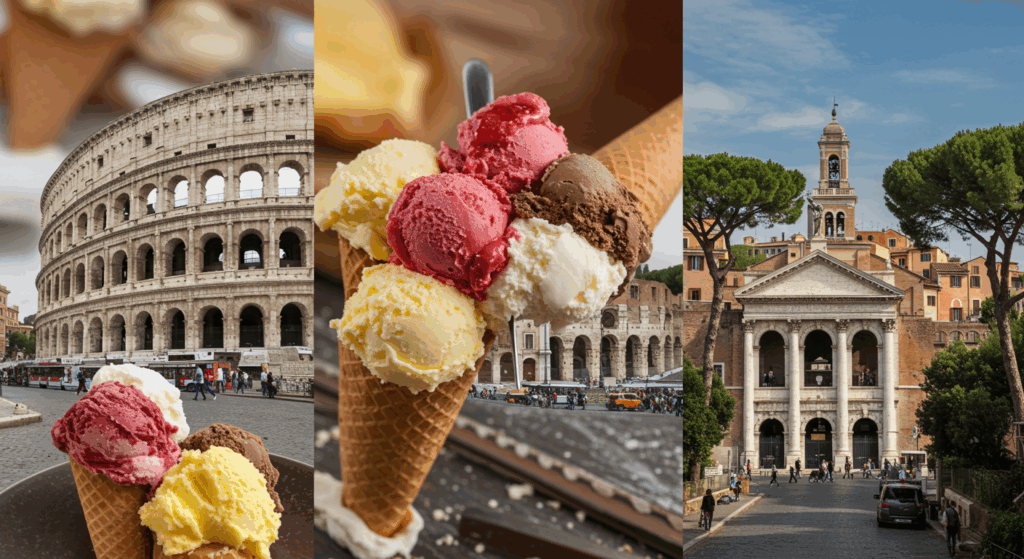
    Now, let’s talk about perhaps the most delicious part of Rome: the food! Rome is the birthplace of pasta and gelato, and believe me, you’ll want to try everything. My personal mission was to eat as much gelato as humanly possible, and I think I did a pretty good job!


    📌 Must-Try Roman Dishes!
    • Cacio e Pepe: A simple yet incredibly flavorful pasta dish with Pecorino Romano cheese and black pepper.
    • Carbonara: Made with eggs, Pecorino Romano, guanciale (cured pork cheek), and black pepper. The authentic one is life-changing!
    • Amatriciana: A rich tomato sauce with guanciale and Pecorino Romano.
    • Supplí: Fried rice balls with tomato sauce and mozzarella. Perfect snack!
    • Gelato: So many flavors, so little time! Find a “gelateria artigianale” for the best quality.

    Wandering through the charming streets, stumbling upon a local trattoria, and enjoying a plate of perfectly al dente pasta – that’s the real Roman experience for me. Don’t be afraid to venture off the main tourist paths a bit; sometimes the best food is found in the hidden gems where the locals eat.


    Planning Your Roman Adventure: Tips and Tricks 🗺️

    Rome is a big city with so much to see, so planning is key to making the most of your trip. Here are a few things I learned that might help you out:

    • Wear Comfortable Shoes: You’ll be doing a lot of walking, trust me! Cobblestone streets are charming but tough on the feet.
    • Stay Hydrated: Rome has many public drinking fountains (nasoni) where you can refill your water bottle. Super handy!
    • Learn a Few Italian Phrases: Even just “grazie” (thank you) and “prego” (you’re welcome/please) can go a long way. Locals really appreciate the effort!
    • Beware of Pickpockets: Especially in crowded areas like the Colosseum or Trevi Fountain. Keep your valuables secure.
    • Public Transport: Rome has a decent metro and bus system, but many major sights are walkable.

    My advice? Don’t try to cram too much into one day. Rome is best savored slowly, allowing yourself to get lost in its beauty and history. Give yourself time to sit at a cafe, enjoy an espresso, and simply watch the world go by.

    Key Takeaways from Your Roman Journey 📝

    So, what’s the big picture of visiting Rome? It’s an unparalleled blend of ancient grandeur, spiritual significance, and vibrant modern life. It’s a city that truly touches your soul.

    1. Historical Immersion: From the mighty Colosseum to the intricate Roman Forum and the perfectly preserved Pantheon, Rome offers an incredible dive into ancient civilization.
    2. Cultural & Religious Significance: Vatican City, with St. Peter’s Basilica, provides a profound experience of faith and art, showcasing some of humanity’s greatest achievements.
    3. Cinematic Charm: Iconic spots like the Trevi Fountain and Spanish Steps transport you into movie scenes, adding a touch of romance and allure.
    4. Culinary Delights: Indulge in authentic Roman cuisine, from delicious pasta dishes like Cacio e Pepe and Carbonara to heavenly gelato, making every meal an experience.
    5. Vibrant Atmosphere: Rome is a city that pulses with life, offering endless opportunities to explore, discover, and simply enjoy the unique Italian ‘dolce vita.’


    Rome: The Eternal City’s Charms ✨

    A Journey Through Time and Taste

    • Ancient Wonders: Colosseum, Roman Forum, Pantheon
    • Sacred Sites: Vatican City & St. Peter’s Basilica
    • Iconic Film Locations: Trevi Fountain, Spanish Steps
    • Culinary Delights: Authentic Pasta & Gelato
    • Vibrant Atmosphere: A blend of history and modern life

    Plan your unforgettable trip to the heart of Italy!

    Frequently Asked Questions ❓

    Q: What is the best time of year to visit Rome?
    A: Spring (April-May) and Fall (September-October) offer pleasant weather and fewer crowds than the peak summer months. I went in late spring and it was just perfect!
    Q: How many days do I need to explore Rome?
    A: I’d recommend at least 4-5 days to see the major sights without feeling too rushed. If you want to dive deeper or take day trips, a week would be even better.
    Q: Is Rome a walkable city?
    A: Absolutely! Many of the main attractions are within walking distance of each other. Just be prepared for lots of steps and cobblestones. Wear comfy shoes!
    Q: How do I get around Rome?
    A: The metro is efficient for longer distances, and buses cover a wide area. Taxis and ride-sharing are also available, but walking is often the most enjoyable way to explore.

    Rome is truly a city that captures your heart and imagination. I hope this guide helps you plan your own amazing adventure through its ancient streets and vibrant piazzas. If you have any more questions or want to share your own Rome experiences, feel free to leave a comment below! Happy travels! 😊
    • Rome Revealed: Your Ultimate Guide to Ancient Wonders & Modern Charm
    • The Eternal City Awaits: A Comprehensive Travel Guide to Rome, Italy
    • Rome Like a Local: Uncovering the History, Food, and Magic of the Eternal City
    • From Gladiators to Gelato: Your Essential Guide to Exploring Rome
    • Discover Rome’s Secrets: Ancient Ruins, Vatican City, and Culinary Delights

    #keyword : Rome travel guide, Ancient Rome, Colosseum, Roman Forum, Pantheon, Vatican City, St. Peter’s Basilica, Trevi Fountain, Spanish Steps, Roman food, Gelato, Pasta, Italy travel, Eternal City, Roman history

  • Paris, France: Your Ultimate Guide to the City of Lights, Art, and Romance

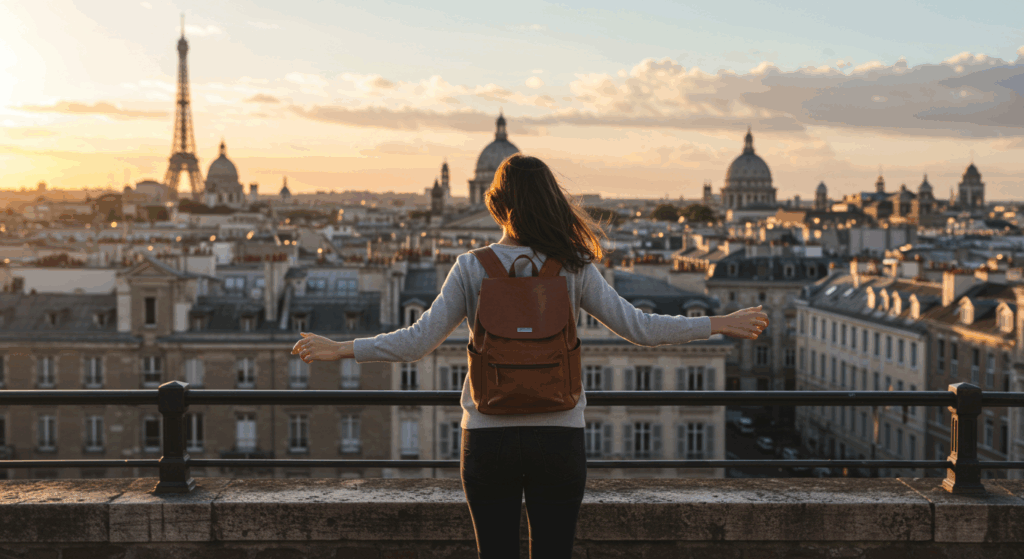
    A breathtaking panoramic view of Paris at sunset


    Unlock the Charms of Paris: Why This Iconic City Should Be Your Next Destination! Thinking about a trip to a city that effortlessly blends romance, art, history, and culinary delights? Discover why Paris, the enchanting capital of France, captivates millions of hearts every year and why it deserves a top spot on your travel list.

    Have you ever dreamt of strolling along a picturesque river, surrounded by architectural marvels, with the scent of freshly baked croissants wafting through the air? That’s Paris for you! It’s a city that often feels like stepping into a beautifully painted canvas. I remember my first visit vividly – the sheer grandeur of it all was overwhelming, yet so incredibly inviting. Whether you’re an art aficionado, a history buff, a fashion enthusiast, or a hopeless romantic, Paris has something magical in store for you. Let’s explore what makes this city truly unforgettable! 😊


    Iconic Landmarks: Postcards from Parisian Dreams 🏛️

    Paris is synonymous with its world-renowned landmarks. These aren’t just structures; they are symbols of French history, culture, and ingenuity. You’ve seen them in movies, books, and perhaps your own dreams!

    The first one that comes to mind is, of course, the Eiffel Tower. Standing tall at 330 meters, this iron lattice tower offers breathtaking panoramic views of the city. I’d recommend visiting both during the day for a clear vista and at night when it sparkles with thousands of lights – truly a magical sight! It was initially criticized by some of France’s leading artists and intellectuals for its design, but it has become a global cultural icon of France and one of the most recognizable structures in the world.

    Then there’s the majestic Arc de Triomphe. Commissioned by Napoleon in 1806, this triumphal arch honors those who fought and died for France in the French Revolutionary and Napoleonic Wars. Climbing to the top offers another fantastic view, especially down the Champs-Élysées. The intricate sculptures and the eternal flame burning beneath it are incredibly moving.

    And who could forget the Notre-Dame Cathedral? A masterpiece of Gothic architecture, this historic Catholic cathedral is renowned for its stunning stained glass windows, gargoyles, and flying buttresses. Despite the tragic fire in 2019, restoration efforts are underway, and its enduring spirit continues to inspire. Its historical significance is immense, having witnessed countless important events in French history.

    💡 Did You Know?
    The Eiffel Tower was the world’s tallest man-made structure for 41 years until the completion of the Chrysler Building in New York in 1930! Also, consider purchasing a Paris Museum Pass if you plan to visit multiple attractions – it can save you time and money.


    The Heart of Art and Culture: Museums and More 🖼️

    Paris is a haven for art lovers. The city breathes art, from its world-class museums to the charming street artists in Montmartre. You could spend weeks exploring its artistic treasures and still only scratch the surface!

    The Louvre Museum is arguably the most famous art museum in the world. Home to masterpieces like the Mona Lisa and the Venus de Milo, it’s an enormous place housed in a former royal palace. My tip? Don’t try to see everything in one visit! Pick a few wings or collections that interest you most and savor them. The sheer scale of the Louvre is part of its majesty, with collections spanning from ancient civilizations to the mid-19th century.

    For Impressionist and Post-Impressionist art, the Musée d’Orsay, housed in a stunning former railway station, is a must-visit. Seeing works by Monet, Van Gogh, Renoir, and Degas in such a unique setting is an experience in itself. The building itself is a work of art!

    Beyond the museums, the Seine River is the lifeblood of Paris, and its banks are a UNESCO World Heritage site. A leisurely boat cruise along the Seine, especially at sunset, offers a unique perspective of the city’s landmarks. Alternatively, a simple walk along its quays, Browse the “bouquinistes” (secondhand booksellers), is a quintessential Parisian experience.

    Artistic Stroll Example 📝: Le Marais District

    If you’re looking for a less crowded but equally artistic experience, I highly recommend exploring the Le Marais district. It’s one of Paris’s oldest and most charming neighborhoods.

    • Place des Vosges: Start at this stunning 17th-century square, one of the oldest planned squares in Paris. It’s surrounded by beautiful red brick houses and arcades.
    • Picasso Museum: Located in the magnificent Hôtel Salé, this museum houses an extensive collection of Picasso’s works.
    • Art Galleries: Wander through the narrow streets and discover numerous contemporary art galleries showcasing diverse talents.
    • Street Art: Keep an eye out for vibrant street art pieces that add a modern touch to the historic surroundings.


    A Gastronomic Paradise: Indulge Your Taste Buds 🥐🍷

    Oh, French cuisine! Paris is a city where food is taken very seriously, and for a good reason. From cozy bistros to Michelin-starred restaurants, your taste buds are in for a treat. It’s not just about fine dining; it’s about the quality of ingredients and the passion for food.

    Start your day like a Parisian with a croissant or pain au chocolat from a local “boulangerie” (bakery). The flakiness, the buttery taste… it’s perfection! And coffee, of course. Sitting at a sidewalk café, sipping coffee and people-watching, is an art form in Paris.

    For lunch or dinner, try classic French dishes. Think Coq au Vin, Boeuf Bourguignon, or a simple Croque Monsieur. Don’t be afraid to try new things! And cheese – France is famous for its cheese, so a cheese platter with a glass of French wine is a must.

    Must-Try Parisian Treats Description Where to Find
    Macarons Delicate meringue-based cookies with a creamy filling. Comes in various flavors. Pâtisseries (e.g., Ladurée, Pierre Hermé)
    Crêpes Thin pancakes, can be sweet (with sugar, chocolate, fruit) or savory (with cheese, ham, egg). Crêperies, street vendors
    Éclairs Oblong pastry made with choux dough, filled with cream and topped with flavored icing. Pâtisseries
    French Onion Soup A rich soup based on beef broth and caramelized onions, often served gratinéed with croutons and cheese on top. Bistros and traditional restaurants
    ⚠️ Foodie Alert!
    Dining etiquette can be a bit different in Paris. For example, it’s customary to say “Bonjour” upon entering a shop or restaurant and “Au revoir” when leaving. Also, tipping is usually included in the bill (“service compris”), but it’s nice to leave a small extra for excellent service.


    The Capital of Fashion: Style and Shopping 🛍️

    Paris is undeniably one of the world’s fashion capitals. From haute couture to chic boutiques and sprawling department stores, it’s a shopper’s paradise. Even if high fashion isn’t your primary interest, you can’t help but notice the effortless style of Parisians.

    The Champs-Élysées is famous for its luxury stores, but you’ll also find unique boutiques in areas like Le Marais or Saint-Germain-des-Prés. For a quintessential Parisian shopping experience, visit iconic department stores like Galeries Lafayette (don’t miss its stunning dome!) or Le Bon Marché.

    Beyond clothing, Paris offers incredible flea markets (marchés aux puces) like the one at Saint-Ouen, where you can find antiques, vintage items, and quirky souvenirs. It’s a great way to spend a morning hunting for treasures!


    Paris in a Nutshell: Key Takeaways 📝

    Paris is a city of endless discovery, but here’s a quick recap of what makes it so special:

    1. Iconic Landmarks: The Eiffel Tower, Arc de Triomphe, and Notre-Dame Cathedral are just the beginning of its architectural wonders.
    2. Artistic Soul: World-class museums like the Louvre and Musée d’Orsay, combined with a vibrant street art scene, make it an art lover’s dream.
    3. Culinary Excellence: From delicate pastries to hearty traditional dishes and exquisite wines, Paris is a journey for your taste buds.
    4. Romantic Ambiance: The charming streets, the Seine River, the beautiful gardens – romance is in the air everywhere you go.
    5. Fashion Forward: A global center for fashion, offering everything from haute couture to unique vintage finds.
    💡

    Paris: City of Lights Highlights

    ✨ Iconic Sights: From the Eiffel Tower’s sparkle to the Louvre’s masterpieces.
    🎨 Artistic & Romantic: Stroll along the Seine, explore charming Montmartre, and feel the romance.
    🥐 Culinary Delights: Indulge in world-class cuisine, from flaky croissants to exquisite French wines.
    🛍️ Fashion & Charm: Experience the epitome of style and discover hidden gems in historic arrondissements.

    Frequently Asked Questions ❓

    Q: What is the best time of year to visit Paris?
    A: 👉 Spring (April-June) and Fall (September-October) are often considered the best times. The weather is pleasant, and the city is beautiful with blooming flowers or autumn colors. Summer (July-August) can be crowded and hot, while winter can be chilly but magical, especially around Christmas.
    Q: How many days should I spend in Paris?
    A: 👉 For a first-time visitor, 4-5 days is a good amount of time to see the main highlights without feeling too rushed. However, you could easily spend a week or more and still find new things to explore!
    Q: Is Paris an expensive city to visit?
    A: 👉 Paris can be expensive, but there are ways to visit on a budget. Look for affordable accommodation options, take advantage of free museum days (usually the first Sunday of the month for some museums), enjoy picnics with market-fresh food, and use the efficient public transport (Metro).
    Q: Is it necessary to speak French to visit Paris?
    A: 👉 While knowing some basic French phrases is appreciated, it’s not strictly necessary. Many people in tourist areas speak English. However, learning a few polite phrases like “Bonjour” (Hello), “Merci” (Thank you), and “S’il vous plaît” (Please) will go a long way.
    Q: What are some unique Parisian experiences beyond the main tourist spots?
    A: 👉 Explore the charming Canal Saint-Martin, visit a local market like Marché des Enfants Rouges, take a cooking class, wander through the Père Lachaise Cemetery (resting place of many famous figures), or enjoy an evening jazz show in a local club.


    Paris truly is a city that has it all – art, history, romance, incredible food, and that certain “je ne sais quoi” that makes it so special. I hope this little guide has inspired you to plan your own Parisian adventure. Have you been to Paris? What are your favorite spots or memories? Share them in the comments below! Au revoir et à bientôt! 😊

    1. Paris, France: Your Ultimate Guide to the City of Lights, Art, and Romance
    2. Unforgettable Paris: Exploring Eiffel Tower, Louvre, and Culinary Delights
    3. Why Paris Should Be Your Next Trip: A Journey Through Art, History, and Fashion
    4. Experience the Magic of Paris: Top Attractions, Food, and Travel Tips
    5. Paris for First-Timers: What to See, Do, and Eat in the French Capital

    Paris, France, Eiffel Tower, Louvre Museum, Arc de Triomphe, Notre Dame Cathedral, Seine River, French Cuisine, Paris Travel, Romantic City, Art in Paris, Paris Fashion, Parisian Culture

  • Personality Test

    Simple Personality Test

    Simple Personality Test

    1. What do you prefer?


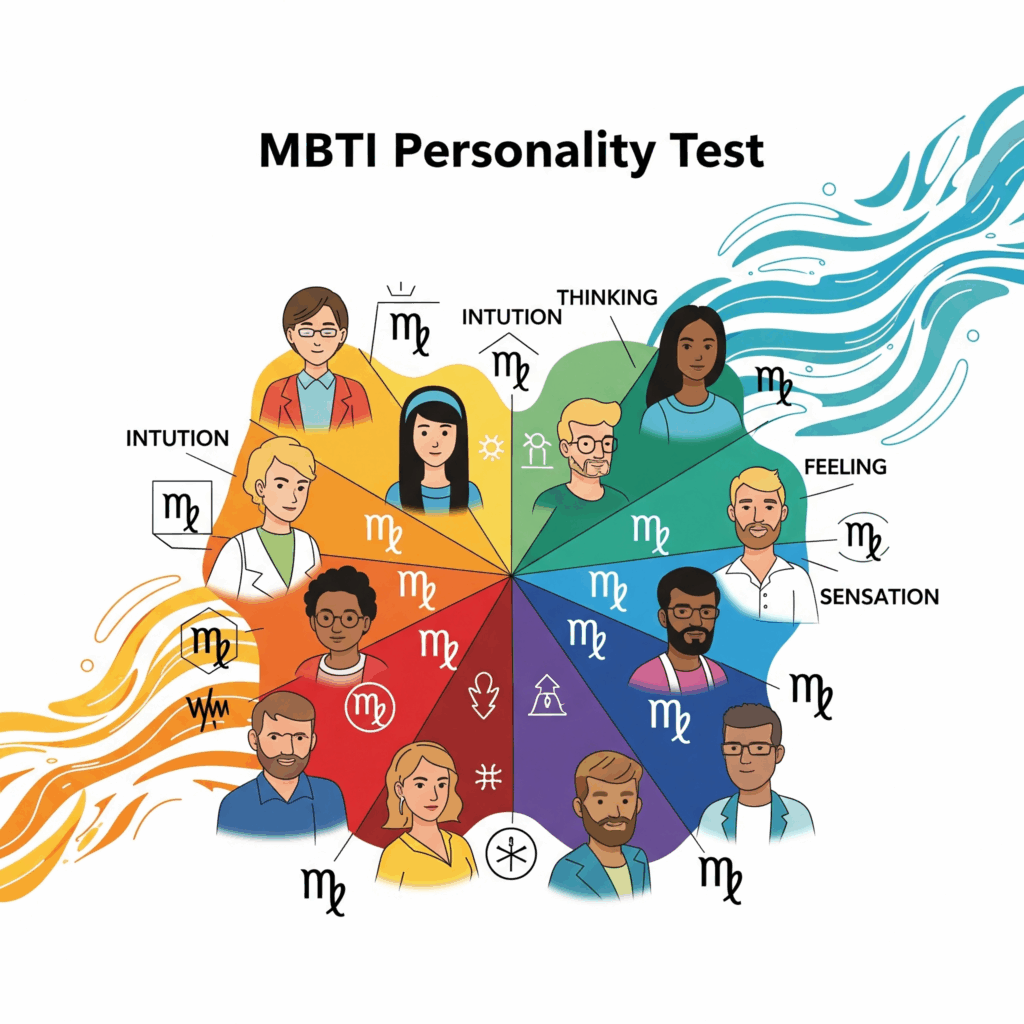
    MBTI Personality Test

    Discover your personality type through 10 simple questions

    Curious about your inner self? Take our quick MBTI quiz!

  • MBTI Personality Test

    MBTI Personality Test

    MBTI Personality Test

    Discover your personality type through 10 simple questions

    Ready to discover your personality?

    This test will help you understand your MBTI personality type through 10 carefully selected questions. Answer honestly for the most accurate results.

  • Decoding Korea’s MBTI Obsession: Your Ultimate Guide to Personality Types


    Curious About Your Personality Type in Korea? Discover how the MBTI test became a fascinating cultural phenomenon in South Korea, helping people understand themselves and others better. This guide will walk you through everything you need to know, even if you’re completely new to it!


    Have you ever found yourself in a conversation where everyone suddenly starts talking about their MBTI type? 😊 It’s almost like a universal language in South Korea these days! Whether it’s for job interviews, first dates, or just casual chats with friends, knowing your MBTI type seems to be the ultimate icebreaker. I remember when I first heard about it, I was a bit confused. Like, what exactly is this MBTI thing, and why is everyone so obsessed with it? But once I dove in, I totally got it! It’s such a fun and insightful way to understand yourself and others. Let’s explore together what MBTI is all about and why it’s such a big deal here in Korea!


    What Exactly is MBTI? Unpacking the Basics 🧐

    So, what is MBTI? It stands for the Myers-Briggs Type Indicator. It’s a self-report questionnaire designed to indicate different psychological preferences in how people perceive the world and make decisions. Basically, it helps you figure out your personality “type” based on a series of questions. It’s not about being “good” or “bad” but rather about understanding your natural inclinations. Think of it like this: are you a morning person or a night owl? Neither is better, just different! MBTI works similarly for how we think, feel, and interact.

    💡 Did You Know?
    The MBTI was created by Isabel Myers and Katharine Briggs during World War II, based on Carl Jung’s theory of psychological types. It was initially developed to help women entering the workforce understand which war-time jobs would be most comfortable and effective for them!


    The Four Key Dichotomies: Your Personality Coordinates

    The MBTI classifies your personality across four main “dichotomies,” or pairs of preferences. Each pair represents two opposite ways of behaving or thinking. Your combination of these preferences forms your unique four-letter code, like ISTJ or ENFP. Let’s break them down:

    • 1. Extraversion (E) vs. Introversion (I): This is about where you get your energy. Do you feel energized by social interaction (E) or by quiet reflection and solitude (I)? I used to think I was an E, but turns out, I’m more of an I! 🤫
    • 2. Sensing (S) vs. Intuition (N): How do you take in information? Do you focus on facts and details you can observe with your senses (S), or do you prefer to look for patterns, possibilities, and abstract concepts (N)?
    • 3. Thinking (T) vs. Feeling (F): How do you make decisions? Do you prioritize logic, objective facts, and consistency (T), or do you consider values, personal impact, and harmony (F)? My T-friends often say I’m “too emotional,” but my F-side just wants everyone to be happy! 😊
    • 4. Judging (J) vs. Perceiving (P): How do you prefer to live your outer life? Do you like things structured, planned, and decided (J), or do you prefer to be flexible, spontaneous, and open to new options (P)?

    Once you’ve figured out your preference for each pair, you combine the letters to get your four-letter MBTI type. There are 16 possible types, and each one has its own unique characteristics and tendencies. It’s actually quite fascinating how accurate it can feel sometimes!


    The MBTI Craze in Korea: Why So Popular? 🇰🇷

    You might be wondering why MBTI has gained such immense popularity in South Korea. Honestly, it’s everywhere! From TV shows to job applications, it’s become a standard topic. My theory? Koreans often value understanding social dynamics and finding common ground. MBTI offers a neat framework for that. It’s a quick and easy way to “size up” someone’s personality without having to spend a ton of time getting to know them deeply, especially in a fast-paced society.

    Reason for Popularity Explanation
    Self-Discovery & Empathy People use MBTI to understand their own strengths and weaknesses, and to gain empathy for others by recognizing different ways of thinking.
    Social Icebreaker It provides a fun and non-threatening topic to initiate conversations and find commonalities or interesting differences.
    Relationship Compatibility Many Koreans use MBTI to understand potential romantic partners, friends, or even colleagues, thinking certain types are more compatible.
    Employment & Marketing Some companies even ask for MBTI types in job applications or use it in team-building, and brands use it for targeted marketing.

    While it’s super popular, it’s important to remember that MBTI is just a tool for self-understanding, not a definitive label. It’s like a starting point for conversation, not the whole story!


    Taking the MBTI Test: What to Expect 📝

    If you’re thinking about taking the MBTI test, you have a few options. The official, certified test is usually administered by a qualified practitioner and can be quite detailed. However, there are tons of free online versions that are widely used in Korea for casual purposes. While not always as accurate, they give you a good idea. My first time, I just did a quick online test, and it was a revelation!

    Example: How to Interpret Your Result 💡

    Let’s say your result is ENFP:

    • E (Extraversion): You likely get energy from being around people and enjoy social gatherings.
    • N (Intuition): You tend to focus on possibilities, abstract ideas, and the big picture.
    • F (Feeling): When making decisions, you probably prioritize harmony, values, and how others might feel.
    • P (Perceiving): You prefer flexibility, spontaneity, and keeping your options open rather than strictly adhering to plans.

    So, an ENFP is often seen as an “Advocate” or “Campaigner” – enthusiastic, creative, and social. Does that sound like anyone you know? Maybe even you?

    ⚠️ Important Note!
    Remember that online tests are not official. Your results can sometimes change depending on your mood or the specific questions. Don’t take it too seriously or use it to stereotype yourself or others! It’s meant to be a fun tool, not a strict classification.


    Beyond the Letters: Applying MBTI in Daily Life 🤝

    The real fun begins when you start applying MBTI to your daily life. It’s not just about knowing your type; it’s about using that knowledge to improve communication and relationships. For example, if you know your friend is an ISTJ (often described as logical and organized), you might approach them with clear facts and a well-thought-out plan, rather than abstract ideas and sudden changes. This doesn’t mean you change who you are, but you can adjust how you communicate to better connect with different types of people.

    I’ve personally found it incredibly helpful for understanding why some of my friends react differently than I would, or why I thrive in certain environments and struggle in others. It’s like having a little decoder ring for human behavior! It really helps foster a sense of tolerance and appreciation for diversity in personalities.

    Key Takeaways from the MBTI Journey 📝

    So, what have we learned about the MBTI phenomenon in Korea? It’s a fantastic tool for self-discovery and understanding others, but it’s important to keep a balanced perspective. Here’s a quick recap:

    1. It’s About Preferences, Not Skills: MBTI highlights your natural inclinations, not your abilities or intelligence.
    2. A Conversation Starter: It’s widely used as an icebreaker and a fun way to get to know people in Korea.
    3. Use with Caution: Don’t use it to label or stereotype others. People are complex and can’t be fully defined by four letters!
    4. Embrace the Diversity: Understanding different MBTI types can help you appreciate the unique strengths each personality brings.


    Frequently Asked Questions ❓

    Q: Is MBTI scientifically accurate?
    A: While it’s very popular, the MBTI is not considered a scientific psychological instrument by many in the academic community. It lacks empirical evidence for its validity and reliability as a scientific measure of personality. It’s best viewed as a self-assessment tool for personal reflection and group discussion rather than a definitive scientific test.
    Q: Can my MBTI type change?
    A: The theory suggests your “true” type is relatively stable. However, self-reported results can sometimes change depending on your life experiences, mood, or how you interpret the questions. It’s not uncommon for people to get slightly different results when they retake the test.
    Q: Where can I take a reliable MBTI test?
    A: For the official, most reliable version, you would need to find a certified MBTI practitioner. However, many free online tests (like the ones on 16Personalities.com) offer a good approximation and are widely used for casual purposes in Korea. Just remember their limitations!

    And there you have it! The wonderful, sometimes confusing, but always fascinating world of MBTI in Korea. I hope this helps you understand why it’s such a big part of the culture here and maybe even inspires you to find your own type! If you have any more questions or want to share your MBTI experiences, feel free to leave a comment below~ 😊

    🧠
    Self-Discovery
    Uncover your inherent preferences and gain insights into your own personality traits.
    💬
    Social Connection
    Use MBTI as a fun and easy way to break the ice and understand others in social settings.
    ⚠️
    Beyond Stereotypes
    Remember that MBTI is a tool for understanding, not for rigidly labeling individuals.

    Curious about your inner self? Take our quick MBTI quiz!

  • Unlocking Youth & Radiance: How Vitamin C Transforms Your Health

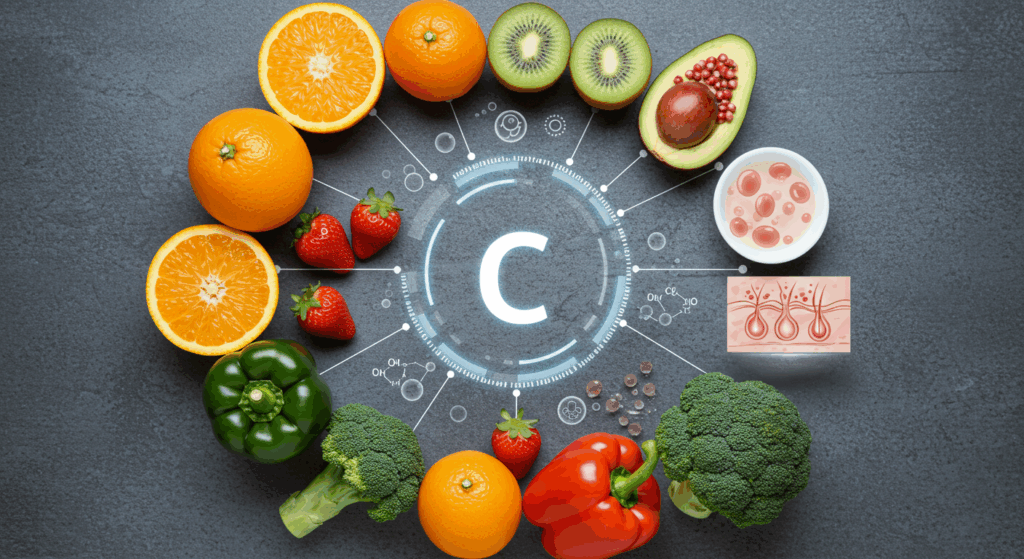
    vitamin c
    Unlock the Power of Vitamin C: More Than Just a Cold Remedy! Discover how this amazing nutrient can transform your health, rejuvenate your skin, and even slow down aging. Ready to feel better and look younger?

    Hey everyone! 😊 Have you ever wondered if that little vitamin C supplement really does anything beyond helping with a sniffle? Honestly, I used to think of it mainly for colds, too. But after diving deep into the research, I was genuinely surprised by just how much this humble vitamin can do for our bodies. From keeping our skin looking fabulous to potentially slowing down the aging process and boosting our overall health, Vitamin C is a real powerhouse. Let’s peel back the layers and see what this superstar nutrient is all about!


    Vitamin C and Anti-Aging: The Youth Elixir? 🕰️

    We all want to age gracefully, right? And it turns out, Vitamin C might be one of our best allies in this journey. One of its biggest roles is in collagen synthesis. Collagen, my friends, is essentially the scaffolding that keeps our skin firm, our joints healthy, and our blood vessels strong. As we age, our natural collagen production declines, leading to wrinkles and sagging skin. But guess what? Vitamin C is a vital co-factor for the enzymes that produce collagen. Pretty cool, huh?

    Beyond collagen, Vitamin C is also a potent antioxidant. This means it helps combat free radicals – those unstable molecules that damage our cells and accelerate aging. Think of it like a tiny superhero fighting off environmental aggressors like pollution and UV radiation. By neutralizing these damaging free radicals, Vitamin C helps protect our cells and tissues, which can definitely contribute to a more youthful appearance and better cellular health as we get older.


    Beauty Benefits of Vitamin C: Your Skin’s Best Friend

    When it comes to beauty, Vitamin C is an absolute rockstar! Seriously, if you’re not already incorporating it into your routine, you might want to start. As we talked about, its role in collagen production is key for maintaining skin elasticity and reducing the appearance of fine lines and wrinkles. It’s like a natural plumper for your skin, making it look smoother and firmer.

    But wait, there’s more! Vitamin C is also known for its brightening effects. It helps to inhibit melanin production, which is responsible for dark spots and hyperpigmentation. So, if you’re dealing with sunspots, acne scars, or just want a more even skin tone, Vitamin C can definitely help fade those imperfections and give you that radiant glow. Plus, it can help protect your skin from sun damage, acting as a supportive shield alongside your sunscreen (though it’s no replacement for SPF!).

    💡 Pro Tip!
    For maximum skin benefits, consider using a high-quality topical Vitamin C serum in your morning routine. This allows it to directly target skin concerns! Just make sure it’s stored correctly, as Vitamin C can degrade with exposure to light and air.


    Overall Health Impact: The Unsung Hero 💪

    Beyond anti-aging and beauty, Vitamin C plays a crucial, often unsung, role in our overall health. First off, it’s absolutely vital for a robust immune system. It supports various cellular functions of both the innate and adaptive immune systems. Basically, it helps our body’s defenses work properly, making us more resilient against infections and illnesses. That’s why your grandma probably told you to drink orange juice when you were sick!

    Did you know Vitamin C also helps with iron absorption? This is super important, especially for those who might be at risk of iron deficiency. Combining Vitamin C-rich foods with iron-rich foods can significantly boost your body’s ability to take in iron. It’s a simple hack that makes a big difference!

    Furthermore, Vitamin C contributes to healthy blood pressure and can help reduce the risk of chronic diseases. Its antioxidant properties help protect blood vessels and reduce inflammation, contributing to cardiovascular health. It’s truly a multifaceted nutrient, helping us feel good from the inside out.

    ⚠️ Important Note!
    While Vitamin C is generally safe, extremely high doses can sometimes lead to digestive upset like diarrhea. Always stick to recommended daily allowances or consult a healthcare professional before taking large supplements. Our bodies can only absorb so much at once!


    How Much Do We Need? And Where to Get It? 🍎

    So, how much Vitamin C should we be aiming for? The recommended daily allowance (RDA) for most adults is around 75-90 mg per day. However, many experts suggest that a higher intake, up to 200 mg or even more, can be beneficial, especially for its antioxidant effects. The good news is, it’s pretty easy to get Vitamin C from food!

    Here’s a quick look at some excellent sources:

    • Oranges: A classic for a reason! One medium orange packs about 70 mg.
    • Bell Peppers: Red bell peppers are surprisingly high, with one cup providing over 200 mg.
    • Strawberries: A delicious source, offering around 90 mg per cup.
    • Kiwi: One medium kiwi contains about 64 mg.
    • Broccoli: Half a cup of cooked broccoli has about 51 mg.

    My personal favorite? Definitely bell peppers! They’re so versatile and you get so much bang for your buck, Vitamin C-wise. Remember, consistency is key, so try to include these foods regularly in your diet.


    Example Daily Vitamin C Intake 📝

    Let’s say your goal is around 200 mg of Vitamin C daily. Here’s how you could easily achieve it:

    • Breakfast: Add a handful of strawberries to your oatmeal (approx. 50 mg).
    • Lunch: Include red bell pepper strips in your salad or sandwich (approx. 100 mg).
    • Snack: Enjoy a kiwi or half an orange (approx. 50 mg).

    Voila! You’ve hit your target without even trying too hard. It’s all about making smart food choices!

    Key Takeaways from Our Vitamin C Journey 📝

    Wow, we’ve covered a lot about Vitamin C today! From fighting the visible signs of aging to boosting our internal defenses, it’s clear this vitamin is far more than just a simple supplement. Here’s a quick recap of the essentials:

    1. Anti-Aging Powerhouse: Vitamin C is critical for collagen production, which keeps our skin firm and youthful, and acts as an antioxidant to protect cells from damage.
    2. Beauty Booster: It helps brighten skin, fade hyperpigmentation, and protects against environmental stressors, leading to a more radiant complexion.
    3. Overall Health Champion: Essential for a strong immune system and crucial for iron absorption, supporting overall well-being.
    4. Easy to Get: Found abundantly in many fruits and vegetables like bell peppers, oranges, and strawberries.

    It’s amazing how much impact one nutrient can have on our health and appearance. Incorporating more Vitamin C into your daily routine, whether through food or a well-chosen supplement, seems like a pretty smart move to me!

    Frequently Asked Questions ❓

    Q: Can Vitamin C reverse existing wrinkles?
    A: While Vitamin C can significantly improve skin elasticity and reduce the appearance of fine lines by boosting collagen, it’s more about prevention and improvement rather than complete reversal. Consistency is key!
    Q: Is it better to get Vitamin C from food or supplements?
    A: Ideally, aim to get most of your Vitamin C from food sources like fruits and vegetables, as they come with other beneficial nutrients. Supplements can be helpful to ensure adequate intake, especially if your diet is lacking, but always consult a healthcare professional.
    Q: How long does it take to see results from Vitamin C for skin?
    A: With consistent topical application and adequate dietary intake, many people start to see noticeable improvements in skin tone and texture within 4-12 weeks. Patience and consistency are your best friends here!

    I truly hope this deep dive into Vitamin C has been helpful and insightful for you! It’s such a fundamental nutrient with incredible benefits. If you have any more questions or want to share your own experiences with Vitamin C, feel free to leave a comment below~ 😊

    Vitamin C, Anti-aging, Skin Health, Immune System, Collagen, Antioxidant, Beauty, Healthy Lifestyle, Nutrient Absorption, Dietary Sources

  • Unlocking Europe: Essential Backpacking Tips for First-Timers

    Europe Backpacking


    Dreaming of a European adventure? Discover essential tips to plan your ultimate backpacking trip, from budgeting to navigating local cultures, ensuring a smooth and unforgettable journey!

    Remember that feeling of wanderlust, scrolling through endless travel photos and wishing you were there? That was me, dreaming of backpacking through Europe! It seemed like a huge undertaking at first, with so many places to see and so much to plan. But trust me, it’s absolutely doable, and incredibly rewarding. I’ve been there, done that, and picked up some fantastic tips along the way that I’m excited to share with you. Let’s make your European dream a reality! 😊


    Smart Planning: Your Trip’s Foundation 📝

    Before you even think about packing your bags, a solid plan is key. This isn’t about rigid itineraries, but rather setting a flexible framework that lets you embrace spontaneity while staying on track. I remember my first trip, I totally over-planned and missed out on some amazing local experiences because I was too focused on checking boxes. Learn from my mistakes!

    💡 Pro Tip!
    Start planning at least 3-6 months in advance, especially if you’re traveling during peak season. This gives you time to snag better deals on flights and accommodations.

    Budgeting Like a Pro 💰

    Money talks, especially when you’re traveling! Your budget will dictate a lot of your choices, from how long you can stay to where you eat. I always recommend having a daily budget, but also a contingency fund for those unexpected moments (like that irresistible gelato stand!).

    • Flights: Use flight comparison sites like Skyscanner or Google Flights and be flexible with your dates.
    • Accommodation: Hostels are a backpacker’s best friend! Look into Hostelworld or Booking.com for affordable options. Consider Airbnb for longer stays or if traveling with friends.
    • Food: Eating out can add up! Balance restaurant meals with grocery shopping and picnics. Local markets are amazing for fresh produce and cheap eats.
    • Transportation: Eurail Pass for extensive travel, or budget airlines like Ryanair and EasyJet for shorter hops.


    Packing Smart: Less is More! 🎒

    Oh, the dreaded packing dilemma! My first time, I brought way too much and ended up lugging a monstrous backpack through cobbled streets. Never again! Seriously, the lighter you pack, the happier you’ll be. Think minimalist.

    Category Essential Items Why it’s essential
    Clothing Quick-dry clothes, versatile layers, comfortable walking shoes Less laundry, adaptable to changing weather, happy feet!
    Documents Passport, visas, travel insurance, copies of all documents Crucial for entry/exit and emergencies. Keep digital copies too!
    Health & Safety Basic first-aid kit, personal medications, hand sanitizer Be prepared for minor ailments and stay healthy on the go.
    Electronics Universal adapter, portable charger, phone, camera Stay connected, capture memories, keep devices powered.
    ⚠️ Watch Out!
    Avoid overpacking! Most hostels have laundry facilities, and you can always buy essentials along the way. Your back will thank you!


    On the Road: Navigating Europe 🗺️

    Once you’re there, getting around Europe is surprisingly easy, thanks to its extensive public transport networks. From high-speed trains to budget flights, you have plenty of options.

    Transportation Tactics 🚂

    • Trains: Often the most scenic and comfortable way to travel between cities. Consider a Eurail Pass if you’re visiting multiple countries. Book long-distance trains in advance for better prices.
    • Buses: Companies like Flixbus offer very affordable options for inter-city travel, especially if you’re on a tight budget.
    • Local Transport: Embrace walking! It’s the best way to see a city. For longer distances, use metro, tram, or bus systems. Always validate your ticket to avoid fines!

    Money Matters Abroad 💳

    Managing your money is crucial. I once had my card skimmed, and it was a total headache! Having multiple payment methods is a lifesaver.

    • Credit/Debit Cards: Inform your bank of your travel dates to avoid card freezing. Use cards with no foreign transaction fees.
    • Cash: Always carry some local currency for small purchases, markets, or places that don’t accept cards. ATMs are widely available, but be aware of withdrawal fees.
    • Travel Money Cards: Prepaid cards can be a good option for budgeting and security.


    Embrace the Culture: Beyond the Tourist Traps

    Europe is rich in history and culture. Don’t just see the famous landmarks; dive into the local way of life!

    • Learn Basic Phrases: A simple “Hello,” “Thank you,” and “Excuse me” in the local language goes a long way. Locals appreciate the effort!
    • Try Local Cuisine: Be adventurous with food! Skip the chain restaurants and find local eateries. Ask hostel staff or locals for recommendations.
    • Wander Off the Beaten Path: While iconic sights are great, some of the best memories are made stumbling upon hidden gems. Just walk around and explore!
    • Engage with Locals: Don’t be afraid to strike up conversations. You’ll learn so much and maybe even make new friends!

    Key Takeaways for Your European Backpacking Adventure 📝

    So, what’s the real secret to a fantastic European backpacking trip? It’s a mix of smart preparation, flexibility, and a willingness to embrace the unexpected. Here’s a quick recap of the essentials:

    1. Plan Smart, But Stay Flexible: Have a general route and budget, but leave room for spontaneous detours and discoveries.
    2. Pack Light: Your back will thank you! Focus on versatile, quick-drying clothing and essentials.
    3. Manage Your Money Wisely: Use a combination of cards and cash, and always be aware of fees.
    4. Immerse Yourself in Local Culture: Learn a few local phrases, try new foods, and wander off the well-trodden tourist paths.
    5. Prioritize Safety: Keep your belongings secure and be aware of your surroundings, especially in crowded areas.
    Planning Essentials ✈️
    • Research visas and entry requirements.
    • Book flights and first few nights of accommodation.
    • Get comprehensive travel insurance.
    • Inform your bank about your travel plans.
    Packing & On-the-Go Tips 👟
    • Pack light: focus on versatile layers.
    • Always carry a universal adapter.
    • Use public transport and walk to explore.
    • Keep digital and physical copies of important documents.

    Frequently Asked Questions ❓

    Q: Is it safe for a solo female traveler to backpack Europe?
    A: Absolutely! Europe is generally very safe for solo female travelers. However, always be aware of your surroundings, especially at night, and trust your gut. Stay in reputable accommodations and let someone know your itinerary.
    Q: How much money do I need for a month-long backpacking trip in Europe?
    A: This varies greatly depending on your travel style and the countries you visit. A budget of €50-€80 per day is a good starting point for budget travelers (hostels, cooking some meals, public transport). For more comfort, aim for €100-€150+ per day.
    Q: What’s the best time of year to go backpacking in Europe?
    A: Spring (April-May) and Fall (September-October) are often considered the best. The weather is pleasant, crowds are thinner than in summer, and prices can be lower. Summer (June-August) is popular but can be hot and very crowded.

    I really hope these tips help you plan your incredible European adventure! It’s truly a life-changing experience, full of amazing sights, delicious food, and unforgettable moments. Don’t stress too much about getting everything perfect; sometimes the best memories come from the unexpected detours. If you have any more questions, feel free to leave a comment below! Happy travels! 😊
    #Europe backpacking #Europe travel tips #Budget travel Europe #Solo travel Europe #European adventure #Packing for Europe #Eurail Pass #Hostel Europe #European culture #Travel planning Europe

  • 10 Essential US Travel Hacks You Need to Know

    US landmarks


    Ultimate Guide to Travel Tips for Your Next US Adventure 🇺🇸 Discover essential travel hacks, budget-friendly tips, and insider advice for an unforgettable journey across the United States.


    Planning a trip to the US can be super exciting, but also a bit overwhelming, right? 🤔 From figuring out the best flights ✈️ and accommodation 🏨 to navigating different cities and cultures, there’s a lot to think about. But don’t worry, I’ve got you covered! 😊 I’ve traveled across the US myself, and I’m here to share some of my top tips to make your trip smooth, fun, and memorable. Let’s dive in!


    1. Pre-Trip Essentials 📝

    Before you even pack your bags, there are some crucial things to take care of. Let’s start with the basics.

    1. Visa and Entry Requirements: Make sure your passport is valid for at least six months beyond your intended stay. Check if you need a visa or if you’re eligible for the Electronic System for Travel Authorization (ESTA).
    2. Travel Insurance: This is a must! Medical costs in the US can be sky-high. Travel insurance covers unexpected events like illness, flight cancellations, or lost luggage.
    3. Flight Booking: Be flexible with your travel dates. Mid-week flights or those during the off-season are often cheaper. Use flight comparison websites to find the best deals.
    4. Accommodation: Book in advance, especially if you’re traveling during peak season. Consider options like Airbnb for a more local experience or hostels for budget-friendly stays.


    2. Packing Smart 🧳

    Packing light can make your trip so much easier. Here are some tips to help you pack like a pro.

    • Essentials Only: Pack versatile clothing items that you can mix and match. Don’t forget travel-sized toiletries to save space.
    • Comfortable Shoes: You’ll be doing a lot of walking, trust me! Comfortable shoes are a must.
    • Portable Charger: Keep your devices charged on the go. A portable charger is a lifesaver, especially during long travel days.
    • Adapter: The US uses Type A and B plugs. Don’t forget to pack an adapter if your devices use a different type.


    3. Budget-Friendly Travel Tips 💰

    Traveling in the US can be expensive, but there are ways to save money and still have an amazing experience.

    💡 Pro Tip:
    Consider purchasing a CityPASS if you plan to visit multiple attractions in a city. It can save you a lot of money on admission fees.
    • Free Activities: Many cities offer free attractions like parks, museums on certain days, and walking tours.
    • Eat Like a Local: Avoid touristy restaurants. Try local diners, food trucks, or markets for cheaper and more authentic meals.
    • Public Transportation: Use buses, subways, or trains instead of taxis or ride-sharing services. It’s often cheaper and a great way to see the city.
    • Travel Off-Season: Prices for flights and accommodation are generally lower during the off-season. Plus, there are fewer crowds!


    4. Navigating Transportation 🚇🚗

    Getting around the US can vary depending on where you are. Here’s a quick guide.

    Transportation Method Notes
    Public Transportation Great in major cities like New York and Chicago. Buy a metro card for unlimited rides.
    Car Rental Ideal for road trips and exploring national parks. Book in advance for better rates.
    Amtrak (Train) A scenic way to travel between cities. Consider a rail pass for multiple trips.
    Ride-Sharing Convenient but can be expensive. Check for surge pricing during peak hours.


    5. Must-Have Apps 📱

    These apps will make your US trip a breeze!

    • Google Maps: Essential for navigation, finding directions, and discovering nearby attractions.
    • Yelp: Great for finding the best restaurants, cafes, and local businesses.
    • Uber/Lyft: Convenient for getting around cities, especially when public transportation isn’t available.
    • Airbnb: Perfect for finding unique and affordable accommodation.


    6. Safety Tips 🛡️

    While the US is generally safe, it’s always good to be prepared.

    ⚠️ Stay Alert!
    Be aware of your surroundings, especially in crowded areas. Keep your belongings close and avoid walking alone at night in unfamiliar places.
    • Emergency Numbers: Know the local emergency numbers. In the US, it’s 911.
    • Secure Your Valuables: Use hotel safes for valuables and be cautious of pickpockets.
    • Stay Connected: Keep your phone charged and consider getting a local SIM card for easy communication.
    • Trust Your Instincts: If something feels off, trust your gut and remove yourself from the situation.


    7. Regional Differences 🗺️

    The US is a huge country with diverse regions. Here are some quick tips:

    • East Coast: Fast-paced, historic cities. Public transportation is excellent.
    • West Coast: Laid-back, beautiful scenery. Renting a car is recommended.
    • South: Warm hospitality, delicious food. Be prepared for hot weather.
    • Midwest: Friendly people, vast landscapes. Great for road trips.


    Your US Travel Checklist 📝

    Let’s recap the key points to make sure you’re all set for your US adventure!

    1. Visa & Documents: Ensure your passport is valid and you have the necessary travel documents.
    2. Insurance: Get comprehensive travel insurance to cover any unexpected events.
    3. Flights & Accommodation: Book in advance and be flexible with your dates to save money.
    4. Packing: Pack light with versatile clothing and comfortable shoes.
    5. Budget: Plan your budget and look for free activities and affordable dining options.
    6. Transportation: Choose the best transportation method for your itinerary.
    7. Apps: Download essential travel apps for navigation, food, and accommodation.
    8. Safety: Stay alert and take necessary precautions to ensure your safety.
    9. Regional Awareness: Be aware of the regional differences and plan accordingly.


    US Travel Essentials 🇺🇸
    Visa & Docs

    Check entry requirements.

    Insurance

    Get travel insurance.

    Flights

    Book flights in advance.

    Accommodation

    Reserve your stay.

    Packing

    Pack light and smart.

    Budget

    Plan your expenses.

    Transport

    Know your options.

    Apps

    Download useful apps.

    Safety

    Stay safe and alert.


    FAQs ❓

    Q: What’s the best way to get around in the US?
    A: It depends on where you are! Public transportation is great in big cities, but renting a car is ideal for exploring national parks and smaller towns.
    Q: How can I save money on food?
    A: Avoid tourist traps! Eat at local diners, food trucks, or markets. Also, consider cooking some meals if you have access to a kitchen.
    Q: Is it safe to travel alone in the US?
    A: Yes, but take precautions. Be aware of your surroundings, especially at night. Stick to well-lit areas and trust your instincts.
    Q: What should I pack for a trip to the US?
    A: Pack versatile clothing, comfortable shoes, a portable charger, and an adapter. Don’t forget travel-sized toiletries to save space.


    I hope these tips help you plan an amazing trip to the US! If you have any more questions, feel free to ask in the comments. Happy travels! 😊
    US travel tips, USA travel guide, travel hacks, budget travel, US destinations, travel planning, travel advice, US transportation, travel apps, travel safety

    adventure travel alpine activities Arc de Triomphe Art in Paris canyoning Eiffel Tower Eternal City Europe's Roof France French Cuisine Gelato hiking Interlaken Italy travel Jungfrau Jungfraujoch Korean Culture Korean Trends Louvre Museum MBTI in Korea Myers-Briggs Notre Dame Cathedral Pantheon paragliding Paris Travel Pasta Personality Test Korea Personality Types Psychological Preferences Roman food Roman Forum Roman history Romantic City Seine River Self-Discovery Social Icebreaker Spanish Steps St. Peter's Basilica Swiss Alps Swiss Travel Pass Switzerland travel guide Trevi Fountain Understanding MBTI Vatican City

  • Decode Your Sleep: Personality Insights from Sleeping Positions

    sleeping positions


    What Does Your Sleeping Position Say About You? Discover hidden aspects of your personality through your favorite sleep posture.


    Have you ever wondered if your sleeping position reveals something about your personality? It’s a fun and intriguing thought! Just like our daily habits, the way we position ourselves at night might reflect our inner selves. Let’s explore what your sleep posture could be telling you! 😊


    Fetal Position 🤰

    This is one of the most common sleeping positions. People who curl up tightly, like a baby in the womb, are often seen as tough on the outside but sensitive at heart. They may appear shy when meeting someone new but quickly relax and become warm.

    If you sleep in the fetal position, you might crave comfort and security. It’s like your subconscious is seeking a cozy, safe space. There’s a sense of nostalgia in this position, too.

    💡 Did you know?
    More women tend to sleep in the fetal position than men. It’s possibly linked to a nurturing instinct or a need for protection.


    Log Position 🪵

    Sleeping on your side with both arms down by your side is called the Log position. If this is you, you’re likely a social butterfly! You’re friendly, easygoing, and love being part of a crowd.

    Log sleepers are often trusting, sometimes to a fault. They can be a bit gullible but their straightforward nature makes them pleasant to be around. They’re also known for being quite stubborn once they’ve made up their mind!

    Common Traits of Log Sleepers

    Trait Description
    Social Enjoys being around people; thrives in group settings.
    Trusting Tends to believe others easily; may be occasionally gullible.
    Stubborn Firm in their decisions; not easily swayed.


    Yearner Position 🙋‍♀️

    Similar to the Log, the Yearner is also a side sleeper, but with arms stretched out in front. These people are open-minded but can be cynical. They think carefully before making a decision but once they do, they stick to it.

    Yearners might seem slow to warm up to new people but are incredibly loyal friends. They can be a bit suspicious but have a strong desire to learn and grow. Their cautious nature helps them make well-informed choices.


    Soldier Position 🪖

    Sleeping on your back with arms straight down at your sides is known as the Soldier position. These sleepers are typically quiet and reserved. They set high standards for themselves and others.

    Soldiers are strong-willed and disciplined. They value structure and order in their lives. They might not be the life of the party but are reliable and loyal. Their calm demeanor makes them great in a crisis.


    Starfish Position 🌟

    If you lie on your back with both arms up near your head, you’re a Starfish! These people are great listeners and always offer a helping hand. They’re comfortable being the center of attention but also value their friends.

    Starfish sleepers are generous and empathetic. They prioritize relationships and are often selfless. They have a positive outlook on life and are fun to be around.


    Freefall Position 🤸‍♀️

    Sleeping on your stomach with your head turned to the side and arms wrapped around a pillow? That’s the Freefall position! These people are often bold and outgoing but can be anxious underneath.

    Freefallers don’t like criticism and can be sensitive. They crave control but deep down, they just want to feel secure. They make loyal and passionate friends.


    Your Sleep Position and Personality: A Quick Guide 😴

    • Fetal Position (21%): Sensitive, warm, and seeking security.
    • Log Position (15%): Social, trusting, and straightforward.
    • Yearner Position (13%): Open-minded, cautious, and loyal.
    • Soldier Position (8%): Quiet, disciplined, and strong-willed.
    • Starfish Position (5%): Empathetic, generous, and positive.
    • Freefall Position (7%): Bold, outgoing, but sensitive.

    *Numbers indicate the percentage of people who sleep in each position.


    FAQ ❓

    Q: Can your sleeping position change over time?
    A: 👉 Yes, absolutely! Your preferred sleeping position can change due to various factors like stress, age, or physical conditions.
    Q: Is there a “best” sleeping position for health?
    A: 👉 Sleeping on your back is often recommended for spinal alignment, but the best position is the one that allows you to get restful sleep!
    Q: Does sleeping position really reveal your personality?
    A: 👉 While it’s fun to explore the connections, these are general observations. Your unique personality is shaped by many factors, not just how you sleep!
    Q: What if I combine multiple sleeping positions?
    A: 👉 Many people do! You might have a dominant position but shift throughout the night. This could mean you have a blend of personality traits.


    Isn’t it fascinating how even our sleep can offer insights into who we are? Remember, these are just fun observations, and your personality is wonderfully unique! What’s your sleeping position? Share in the comments below! 😊

    #sleeping position #personality traits #fetal position #log position #yearner position #soldier position #starfish position #freefall position #sleep psychology #sleep habits

  • Transform Your Day: The Power of a Morning Routine (How to Create, Benefits, Examples)

    Morning Routine


        [Morning Miracles: The Power of Small Habits!] Do you find yourself rushing and starting your day in a frantic mess every morning? Discover the key to starting a successful day: the importance of a morning routine and how to create one that’s right for you!

    Every morning, are you busy checking your smartphone as soon as you open your eyes, rushing to get ready, and scrambling out the door? I used to be like that too. Mornings always felt like a battle, and I felt like I was being chased by something all day long. But ever since I changed just a tiny morning habit, my days have changed dramatically! Today, I want to talk about that magical ‘morning routine.’ 😊


        What is a Morning Routine? ☀️

    When you hear ‘morning routine,’ you might think of something grand and difficult. But a morning routine is simpler than you think. It’s about waking up in the morning and regularly repeating certain activities – that’s what a morning routine is. For example, drinking a glass of water right after waking up, doing a short meditation, or organizing your tasks for the day.

    It’s more than just a few actions you do in the morning. A morning routine is like your own personal ritual for starting your day, providing a solid foundation for a positive and productive day. Just like athletes who get into peak condition with their own routines before a game!


        Why is a Morning Routine Important? 🤔

    So why do so many people emphasize a morning routine? In fact, the positive effects a morning routine brings us are truly diverse.

         
    • Increased Productivity: Utilizing your morning time strategically can noticeably boost your overall daily productivity. You can tackle important tasks with your clearest mind.
    •    
    • Reduced Stress: Starting your day calmly without rushing can help you feel psychologically stable and reduce stress.
    •    
    • Improved Mental Health: Activities like meditation or gratitude journaling can help you practice mindfulness and foster a more positive mindset.
    •    
    • Helps Achieve Goals: By including small goals in your morning routine, you can consistently feel a sense of accomplishment every day, which greatly aids in achieving long-term goals.
    •    
    • Strengthened Self-Control: The process of sticking to a set routine every morning naturally helps build self-control and willpower.
        💡 Stories from Achievers!
        Many globally successful people are said to have their own well-established morning routines. For instance, some CEOs wake up before dawn to start their day with meditation and exercise, while famous writers immerse themselves in writing during their most creative morning hours. In this way, how they utilize their morning time can be seen as having a significant impact on their success. We can do it too!


        How to Create a Morning Routine That’s Right for You 📝

    Okay, so how should you create a morning routine that’s right for you? You don’t need to start big. It’s important to try things out, one small step at a time.

         
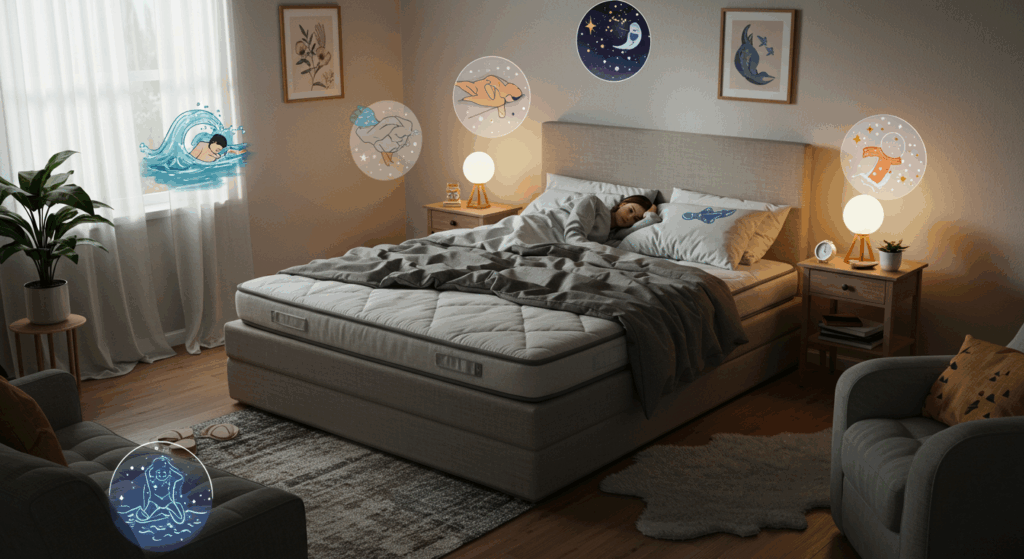
    1. Ensure Sufficient Sleep: No matter how good your morning routine is, it won’t help if you’re sleep-deprived. The first step is to ensure you get at least 7 hours of sleep, or whatever amount is right for you.
    2.    
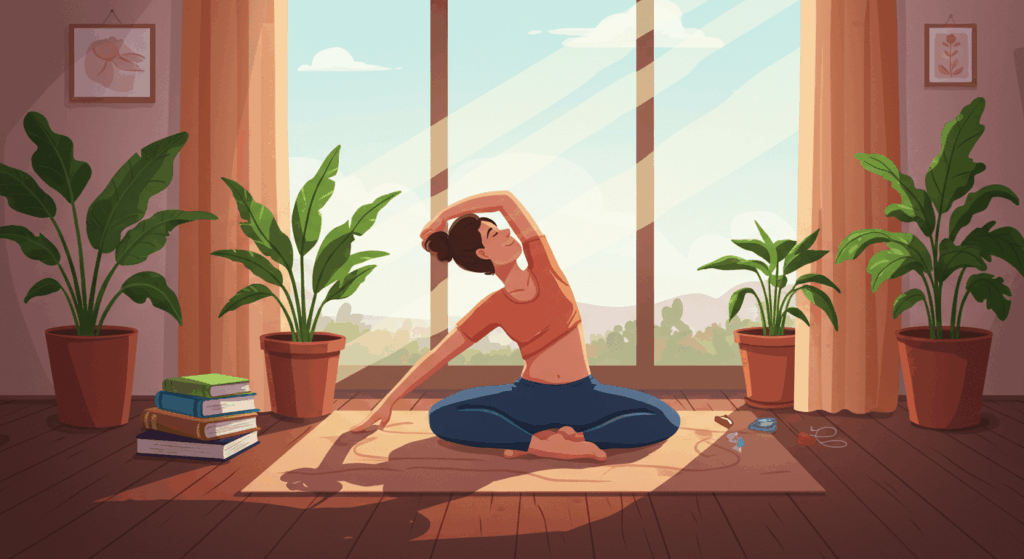
    3. Start with Very Small Goals: If you try to do too much from the start, you’re likely to get tired quickly. Begin with something very easy and simple, like ‘drink a glass of water after waking up’ or ‘do 5 minutes of stretching.’
    4.    
    5. Include ‘Time for Yourself’: Try incorporating activities you enjoy or that are beneficial to you into your routine, such as meditation, reading, journaling, or light exercise. This time will greatly boost your satisfaction for the day.
    6.    
    7. Keep Electronic Devices Away for a While: The habit of checking your smartphone as soon as you open your eyes can reduce your focus and expose you to unnecessary information. Try to keep electronic devices away, at least while you’re doing your morning routine.
    8.    
    9. Record and Review: Briefly note down what routine you practiced and what changes you felt as a result. Regularly reviewing and refining it will help you create a more effective routine.
        ⚠️ Be Aware!
        The most important thing when creating a morning routine is consistency, not perfection. Don’t give up if you fail a few times at first! It’s okay to modify it anytime if it doesn’t suit you. The important thing is the process of finding ‘your own rhythm.’


    Morning Routine: Here’s How to Start! (Examples)

                                                                                                                                                                                                                                                                                       
    CategorySimple Morning Routine (30 mins)More Relaxed Morning Routine (1 hour)
    Right After Waking UpDrink a glass of water (5 mins)Drink a glass of water and light stretching (10 mins)
    Waking Up Your MindShort meditation or gratitude journal (10 mins)Meditation or Yoga (20 mins)
    Preparing for the DayBriefly plan tasks for today (10 mins)Self-improvement (reading, language study, etc.) (20 mins)
    Wrap UpHealthy breakfast (5 mins)Healthy breakfast and daily plan review (10 mins)

    The table above is just an example, so feel free to adjust it to your own style and situation! What’s important is experiencing small successes every day.


        Key Takeaway for Today! A Day Transformed by Your Morning Routine ✨

    No more hectic mornings! A morning routine means more than just waking up early. It can be a very powerful tool to start your day proactively and boost your life satisfaction.

         
    1. Meaningful Start: A morning routine is like a positive ritual for starting your day.
    2.    
    3. Amazing Effects: A consistent morning routine can lead to increased productivity, reduced stress, and an overall increase in life satisfaction.
    4.    
    5. The Power of Small Actions: It doesn’t have to be grand. Feel the change created by small, consistent habits!
       
           
                💡            

    The Power of a Morning Routine for a Successful Day!


                    ✨ The First Step to Your Day: A morning routine is the first step to intentionally designing your day.            
               
                    ☀️ Recharge with Positive Energy: Inject vitality into your body and mind through your own time.            
               
                    🎯 Goal Achievement Booster: Small achievements build up to provide motivation towards bigger goals.            
               
                    🧘‍♀️ The Magic of Consistency: Start right now, even with just one small habit!            


        Frequently Asked Questions ❓


    Q: It’s really hard to wake up early in the morning. What should I do?
           
    A: Don’t push yourself too hard from the start. Try beginning by waking up just 15 minutes earlier than usual, and gradually move your time forward. And getting enough sleep at night is the most important thing. Reducing smartphone use before bed and creating a comfortable sleep environment will also help.


    Q: Do I have to do the exact same morning routine every day? Even on weekends?
           
    A: While doing the same thing every day is ideal, it’s okay to be flexible depending on the situation. The important thing is to do it ‘consistently.’ Creating a more relaxed routine on weekends or adding activities you’ve always wanted to do is also a good approach. The key is to keep going enjoying it without stress!


    Q: Is there anything specific that *must* be included in a morning routine?
           
    A: There’s no single right answer. Anything that helps you the most and allows you to start your day feeling good is fine. However, activities recommended by many experts include light stretching, meditation, drinking water, reading, and planning your day. Try out various things to find your own ‘essentials’!


    Q: When will I start seeing the effects of a morning routine?
           
    A: It can vary from person to person and depending on what routine you practice. But typically, if you practice consistently for a few weeks, you’ll start to feel positive changes in your body and mind. The important thing is to not be impatient and keep going with even small changes. Enjoy the fun of discovering yourself changing day by day! 😊
       

    How about starting even just one very small morning routine today? It will definitely bring amazing changes to your day, and your entire life! If you have any more questions, feel free to ask in the comments anytime! 😊

  • A 5-night, 6-day journey capturing the charm of downtown Seoul, from its historic sites to modern landmarks.

    May ~ June Schedule

    A 5-night, 6-day journey capturing the charm of downtown Seoul, from its historic sites to modern landmarks.

    Trip Overview

    May to June is one of the best times to visit Seoul. You can enjoy pleasant weather, experiencing the end of spring and the beginning of summer, while exploring Seoul’s culture, history, and modern attractions.

    Seoul Weather in May-June

    • May: Average temperature 16°C–23°C, many sunny days
    • June: Average temperature 20°C–27°C, start of early summer weather
    • Recommended Attire: Short-sleeved or thin long-sleeved shirts, a light jacket (evenings can be cool)
    Seoul Landscape Seoul View

    Day 1: Palaces and Traditional Culture Experience

    Morning: Gyeongbokgung Palace

    The first and largest palace of the Joseon Dynasty, it boasts beautiful architecture and historical significance. Cherry blossoms in spring and lush greenery in summer further enhance its beauty.

    • Opening Hours: March-May (9:00-18:00), June-August (9:00-18:30)
    • Admission Fee: 3,000 KRW
    • Recommended Visiting Time: 2 hours
    • Tip: Visit early in the morning to watch the Royal Guard Changing Ceremony.
    Gyeongbokgung Palace

    Afternoon: Bukchon Hanok Village

    Bukchon Hanok Village

    An area densely populated with traditional Korean houses (hanoks) where Joseon Dynasty nobles lived. Experience the beauty of narrow alleys and traditional homes.

    • Recommended Visiting Time: 2-3 hours
    • Tip: Try traditional costume experiences or craft programs at a Hanok experience center.
    • Nearby Attractions: Gahoe-dong Alley, Samcheong-dong Cafe Street

    Evening: Insadong and Traditional Food

    Enjoy dinner and shopping in Insadong, the heart of traditional culture. It’s filled with traditional Korean restaurants and craft shops.

    • Recommended Food: Hanjeongsik (Korean set meal), traditional tea
    • Shopping: Traditional crafts, souvenirs
    • Nearby Attractions: Ssamziegil, Insadong Street
    Insadong

    Day 2: Namsan and City Landmarks

    Morning: Namsan Seoul Tower

    Namsan Seoul Tower

    Overlook the entire city from Namsan Seoul Tower, a landmark of Seoul. On a clear day, you can enjoy a 360-degree panoramic view of Seoul.

    • Operating Hours: 10:00-23:00
    • Admission Fee: Observatory 16,000 KRW
    • Tip: Take the cable car up for an even more stunning view.

    Afternoon: Myeongdong Shopping

    Enjoy shopping and dining in Myeongdong, one of Seoul’s most popular shopping districts. There’s a wide variety of things to enjoy, from domestic and international brand stores to street food.

    • Recommended Shopping: Cosmetics, clothing, souvenirs
    • Street Food: Hotteok (sweet pancake), Bungeoppang (fish-shaped pastry), Tteokbokki (spicy rice cakes)
    • Attractions: Myeongdong Cathedral, Lotte Department Store
    Myeongdong Shopping

    Evening: Myeongdong Kyoja Main Branch (Dinner)

    Myeongdong Kyoja

    One of Seoul’s representative restaurants, this Kalguksu (knife-cut noodle soup) specialty shop has been operating since the 1960s. The chewy noodles and refreshing broth are excellent.

    • Signature Dishes: Kalguksu, Mandu (dumplings)
    • Location: 29 Myeongdong 10-gil, Jung-gu, Seoul
    • Tip: Lines can be long during meal times, so visit early or slightly later.

    Day 3: Hangang River and Modern Seoul

    Morning: Cheonggyecheon Stream and Downtown Stroll

    Take a stroll along Cheonggyecheon Stream, a relaxing space in the city center, and feel the charm of Seoul where modernity and history coexist. It’s nice to start from Gwanghwamun and walk towards Dongdaemun.

    • Recommended Route: Gwanghwamun Square → Cheonggye Plaza → Cheonggyecheon Stream → Dongdaemun Design Plaza
    • Duration: Approx. 2 hours
    • Tip: Admire the art installations and historical relics placed along the stream.
    Cheonggyecheon Stream

    Afternoon: Dongdaemun Design Plaza (DDP)

    Dongdaemun Design Plaza

    A futuristic building designed by Zaha Hadid, hosting various exhibitions and events. The building itself is a work of art, and there are shopping malls and traditional markets nearby.

    • Operating Hours: 10:00-21:00
    • Admission Fee: Varies by exhibition (basic entry is free)
    • Nearby Attractions: Dongdaemun Shopping Malls, Gwangjang Market

    Evening: Hangang River Cruise and Night View

    Enjoy Seoul’s beautiful night scenery on a Hangang River cruise. Evening cruises offer spectacular views of Seoul’s illuminated bridges and buildings.

    • Fare: From 15,000 KRW
    • Departure Point: Yeouido Hangang Park
    • Duration: Approx. 1 hour
    • Tip: Choose a cruise departing around sunset to see both day and night views.
    Hangang River Night View

    Day 4: Traditional Markets and Trendy Areas

    Morning: Gwangjang Market and Traditional Food

    Gwangjang Market

    Seoul’s representative traditional market with over 100 years of history, offering a variety of food and goods. It’s particularly famous for Bindaetteok (mung bean pancakes) and Mayak Gimbap (mini seaweed rice rolls).

    • Recommended Food: Bindaetteok, Mayak Gimbap, Yukhoe (beef tartare), Kalguksu
    • Operating Hours: 8:30-18:00 (may vary by store)
    • Tip: Try small portions of various foods to experience a wide range of flavors.

    Afternoon: Hongdae Street

    Enjoy unique cafes, accessory shops, and street performances in Hongdae, the street of youth. It’s famous for its artistic and trendy atmosphere.

    • Recommended Activities: Watching street performances, cafe hopping, visiting vintage shops
    • Nearby Attractions: Yeonnamdong Central Park (Yeontral Park), Hongdae Playground
    • Tip: You can see various busking performances in the evening.
    Hongdae Street

    Evening: Itaewon Food Culture Exploration

    Itaewon

    Experience delicious food from around the world in Itaewon, where you can enjoy various international cuisines. There are many trendy bars and restaurants, making it a great place to enjoy the nightlife.

    • Recommended Food: Various international cuisines (Mexican, Italian, Indian, Middle Eastern, etc.)
    • Nearby Attractions: Gyeongnidan-gil, Hamilton Hotel back alleys
    • Tip: It’s advisable to make reservations in advance on weekends.

    Day 5: Gangnam and Modern Seoul

    Morning: COEX and Starfield Shopping Mall

    Visit COEX, Asia’s largest underground shopping mall. It features a movie theater, aquarium, bookstore, and various shops and restaurants.

    • Operating Hours: 10:00-22:00
    • Recommended Spots: Starfield Library, COEX Aquarium
    • Tip: You can get a discount on COEX Aquarium tickets by booking in advance.
    COEX

    Afternoon: Garosu-gil Exploration

    Garosu-gil

    Enjoy shopping and cafe hopping on Garosu-gil, the center of Seoul’s fashion and trends. There are many upscale boutiques and unique design shops.

    • Recommended Activities: Fashion shopping, cafe visits, gallery tours
    • Nearby Attractions: Sinsa-dong Garosu-gil, Apgujeong Rodeo Street
    • Tip: Discover hidden shops as you stroll along the beautiful tree-lined street, perfect for walking.

    Evening: Traditional Naengmyeon at Woo Lae Oak

    Taste authentic Pyeongyang-style naengmyeon (cold noodles) at Woo Lae Oak, a famous naengmyeon restaurant in Seoul. Experience the traditional taste that has been passed down since 1946.

    • Signature Dishes: Pyeongyang Naengmyeon, Galbi (ribs)
    • Location: 62-29 Changgyeonggung-ro, Jung-gu, Seoul
    • Tip: Ordering galbi with your naengmyeon makes for an even richer meal.
    Woo Lae Oak

    Day 6: Deoksugung Palace and Tranquil Seoul

    Morning: Deoksugung Palace and Jeongdong-gil Road

    Deoksugung Palace

    Explore Deoksugung Palace, a beautiful palace in the heart of the modern city. It’s a unique palace where Western-style buildings coexist with traditional Korean architecture.

    • Opening Hours: Tue-Sun 9:00-21:00
    • Admission Fee: 1,000 KRW
    • Recommended Route: Deoksugung Palace → Jeongdong-gil Road → Seoul Museum of Art
    • Tip: Don’t miss the Royal Guard Changing Ceremony held at noon and 3 PM.

    Afternoon: Namdaemun Market

    Browse and shop for various goods at Korea’s largest traditional market with 600 years of history. You can find everything from clothing, accessories, and souvenirs to food.

    • Operating Hours: Most shops 9:00-18:00 (varies by day)
    • Recommended Items to Buy: Traditional clothing, kitchenware, souvenirs
    • Recommended Food: Kalguksu, Galchi Jorim (braised cutlassfish), Hotteok
    • Tip: Haggling is a must! Try to negotiate prices.
    Namdaemun Market

    Evening: Farewell Dinner and Night View

    Enjoy a special dinner to commemorate your last day. We recommend dining at a restaurant near Namsan or taking time to appreciate the final night views around the Han River.

    Our Top Shopping Spots!

    Myeongdong

    One of Seoul’s most popular shopping districts, with over 1,000 brands waiting for you!

    • A cosmetics paradise, packed with beauty brand stores.
    • Clothing stores for every budget and style.
    • Shops for local specialties and souvenirs to take home.

    Dongdaemun Market

    A fashion hub that’s open 24 hours, so you can even enjoy some late-night shopping!

    • Wholesale and retail clothing galore.
    • Boutiques from up-and-coming designers.
    • Fabrics and fashion accessories for the creative soul.

    Garosu-gil

    This is the heart of fashion, where trendy boutiques and designer stores gather.

    • Stores from renowned designers.
    • Unique concept shops you won’t find elsewhere.
    • Chic cafes and restaurants to relax in.

    Hongdae Area

    Full of shops selling unique and creative items, perfect for the younger crowd and the young at heart!

    • Vintage and second-hand clothing treasures.
    • Handicrafts and art pieces.
    • Goods from independent brands.

    Delicious Eats You’ll Love!

    Woo Lae Oak

    Woo Lae Oak (Pyeongyang Naengmyeon)

    Considered one of Seoul’s best Pyeongyang-style cold noodle restaurants, located near Euljiro 4-ga Station.

    Location: 62-29 Changgyeonggung-ro, Jung-gu, Seoul

    Myeongdong Kyoja

    Myeongdong Kyoja (Kalguksu)

    A landmark Kalguksu (knife-cut noodle soup) spot in Seoul, serving happy customers since 1966.

    Location: 29 Myeongdong 10-gil, Jung-gu, Seoul

    Gwangjang Market

    Gwangjang Market Food Stalls

    The true essence of traditional market food: Bindaetteok (mung bean pancakes), Mayak Gimbap (mini seaweed rice rolls), Yukhoe (beef tartare), and more!

    Location: Jongno 5-ga, Jongno-gu, Seoul

    More Great Foodie Areas to Explore:

    • 1 Insadong – For traditional Korean meals and teas.
    • 2 Myeongdong – Amazing street food and local favorite restaurants.
    • 3 Gangnam – Trendy and upscale restaurants.
    • 4 Itaewon – A melting pot of international cuisines.
    • 5 Hongdae – Hot spots popular with the younger crowd.

    Getting Around Seoul: A Quick Guide

    Subway

    Seoul’s subway is an efficient public transport system that connects the entire city.

    • Operating Hours: First train around 05:30 ~ Last train around 24:00 (varies by line)
    • Basic Fare: 1,500 KRW (1,350 KRW with a transportation card)
    • Transfers: Free transfers when using a transportation card (within 30 minutes)
    • Route maps are available at all stations, with English information provided.

    Buses

    Seoul’s buses are color-coded by route type, making them easy to navigate!

    • Blue Buses: Main arterial routes (1,500 KRW)
    • Green Buses: Branch routes, connecting to major subway stations (1,500 KRW)
    • Yellow Buses: Circular routes in downtown areas (1,500 KRW)
    • Red Buses: Express routes connecting metropolitan areas (From 2,300 KRW)

    Transportation Cards

    Using a transportation card (like T-money or Cashbee) is super convenient in Seoul.

    • Where to Buy: Convenience stores (GS25, CU, 7-Eleven), subway station ticket offices.
    • Cost: Card purchase is around 3,000 KRW + the amount you load onto it.
    • Benefits: Discounted fares compared to cash, free transfers, and you can even use it for small purchases at convenience stores!

    Taxis

    Taxis in Seoul are safe and convenient, though they can be a bit harder to catch during rush hour.

    • Basic Fare: Standard taxis start at 4,800 KRW (older models might be 3,800 KRW), with a 20% surcharge late at night.
    • Deluxe Taxis (Black): More expensive than standard taxis but offer premium service.
    • Apps: You can easily call a taxi using apps like Kakao T (English support available).

    Helpful Travel Tips for Your Trip!

    Weather and What to Wear

    • May: Average temperature 16°C–23°C. Light, comfortable clothing is recommended.
    • June: Average temperature 20°C–27°C. Prepare for early summer weather with summer clothes.
    • It’s a good idea to pack an umbrella or a waterproof jacket, just in case!
    • Comfortable shoes are a must (you’ll likely walk over 10,000 steps a day exploring!).

    Internet and Communication

    • Public Wi-Fi is available in many places.
    • You can rent portable Wi-Fi eggs at Incheon Airport or major tourist spots.
    • SIM cards can be purchased at the airport or convenience stores.

    Safety Information

    • Seoul is generally a very safe city, so you can relax and enjoy!
    • Emergency Numbers: 112 (Police), 119 (Emergency/Fire)
    • Tourist Police: 02-2299-1122
    • You’ll find tourist information centers at major attractions.

    Other Useful Tips

    • Keep in mind that many major tourist sites are closed on Mondays when planning your schedule.
    • There’s no tipping culture in restaurants here.
    • Credit cards are widely accepted in most places.
    • You can use the tax refund service for foreigners (for purchases over 30,000 KRW).